Oil Change Comic
How to Perform a Oil Change
Updated: Feburary 24, 2026
Authors: Harjot Litt
Introduction:
My comic is on how to perform a oil change. As someone who loves to work on cars I think it’s very valuable to learn some basic knowledge that can save you hundreds of dollars. My goal is to help people save money and realize that tasks that seem hard can be easier than they think.
THE PROCESS
Understand (Discover, Interpret, Specify)
DESCRIBE THE CHALLENGE:
People need to learn some basic car knowledge that can save individuals hundreds of dollars. It’s easier than some people think.
CONTEXT AND AUDIENCE:
The target audience is newer car owners or even individuals who are interested in learning more about their cars. Many first time car owners have limited knowledge, and they could be interested in saving money and becoming more self-reliant. Their main goal is to learn a practical and easy skill in a clear and non-overwhelming way.
The audience needs instructions that are visually easy to understand and beginner-friendly. Originally, reading manuals can become very overwhelming and can even confuse individuals. They want quick clarity, reassurance around safety, and confidence that they are doing things correctly. The goal isn’t to master everything about cars, but instead to learn some basic mechanical things than can help them in the long run.
Most people are motivated by curiosity, such as myself, but it can also be cost savings. Some may also enjoy car culture and want to better understand how their cars work, even at a basic level. There is a lot of fear of breaking something on the car when it’s your first time working on it, but with clear and easy-to-follow steps, it makes people more confident in themselves.
POV STATEMENT:
An individual who recently purchased a car and wants to learn how to do an oil change because of financial reasons or out of curiosity.
LEARNING OBJECTIVES:
By the end, individuals will be able to safely change their car’s oil, know how to dispose of bad oil and overall have more confidence when working on their car.
Plan (Ideate, Sketch, Elaborate)
IDEATION:
A few ideas about the panels would be: Gathering tools and supplies, Safety first with jack stands, Locating the drain plug, Positioning the drain pan, Draining old oil, Removing old filter, Lubricating new filter, Reinstalling drain plug, Pouring new oil, Checking oil level, Starting engine and checking for leaks, Proper oil disposal. All of these steps are very crucial to an oil change, missing one step can cause major issues so all steps are equally as important. Having the character performing certain tasks will make it easier and also provide a visual example of what to do.
STORYBOARD OR SCRIPT:
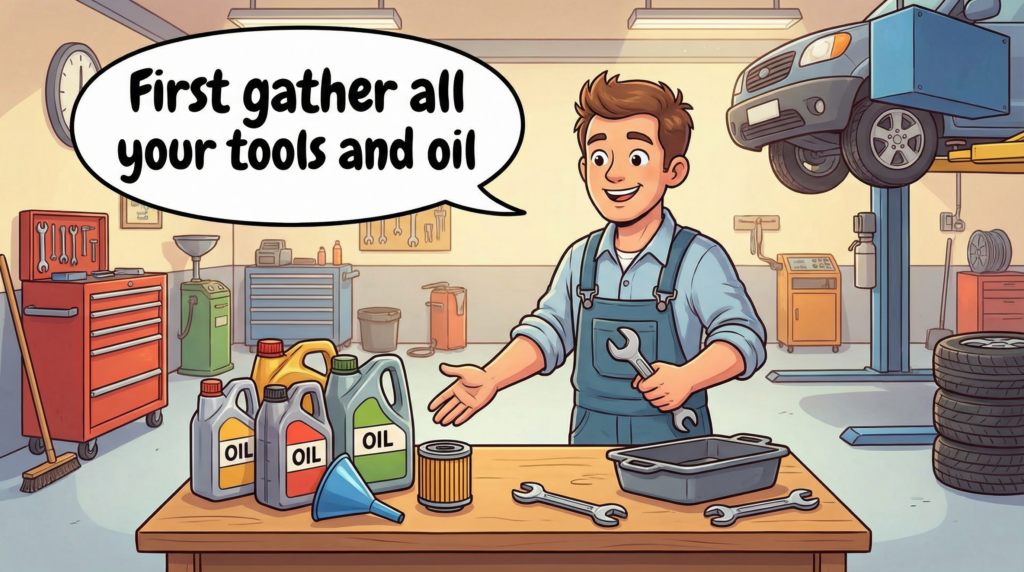
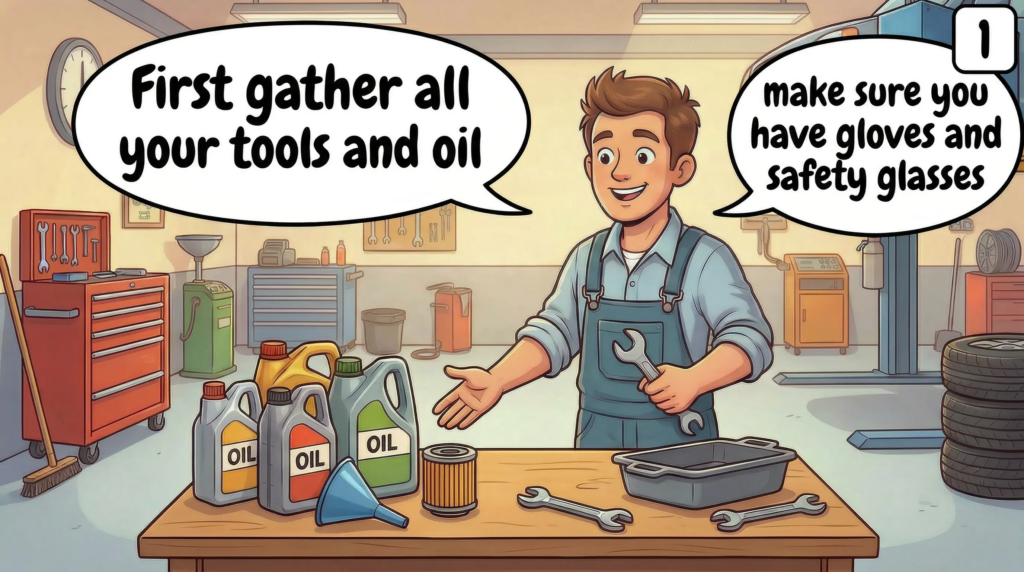
- Panel 1: “First gather all your tools and oil”
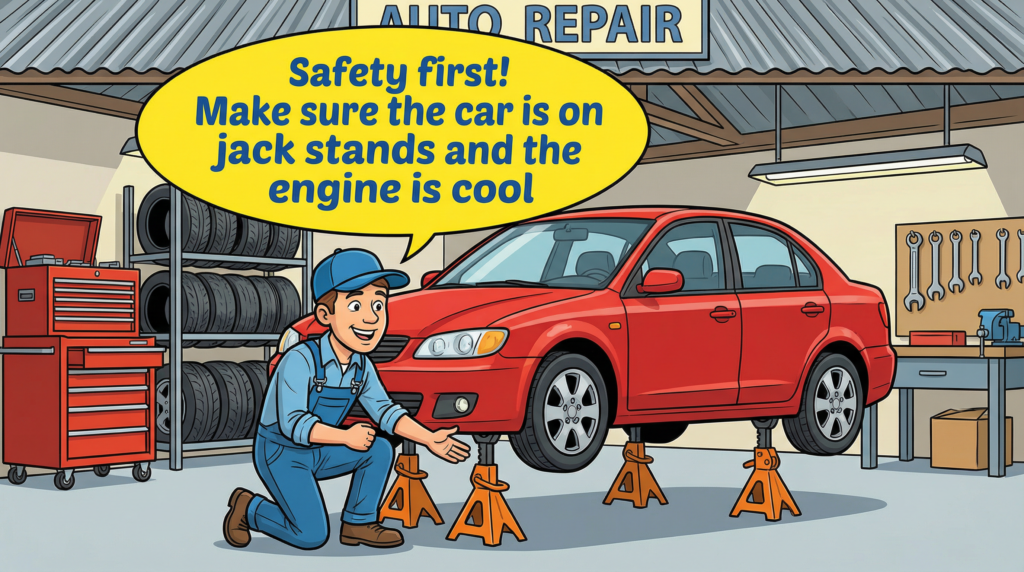
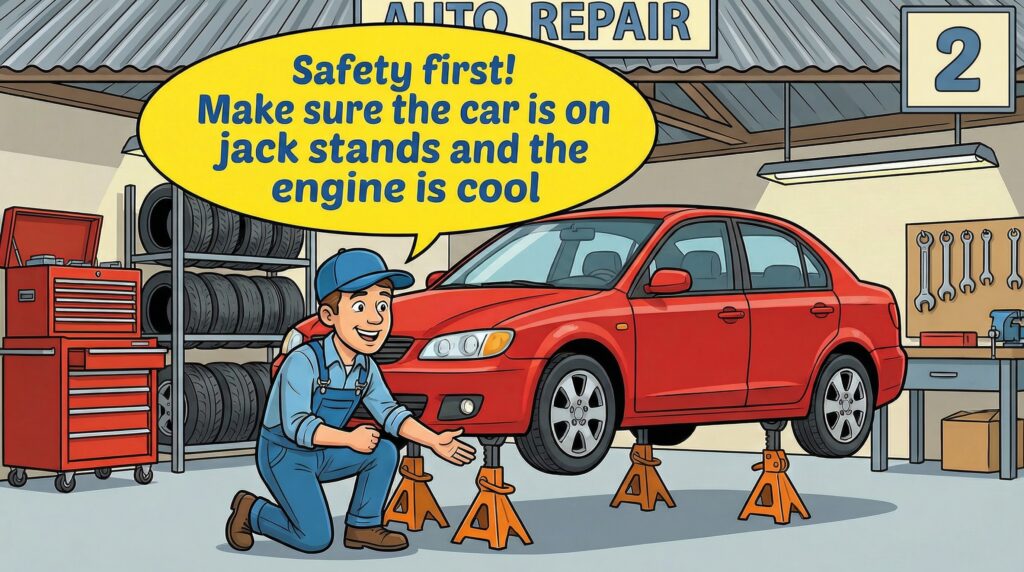
- Panel 2: “Safety first! Make sure the car is on jack stands and the engine is cool.”
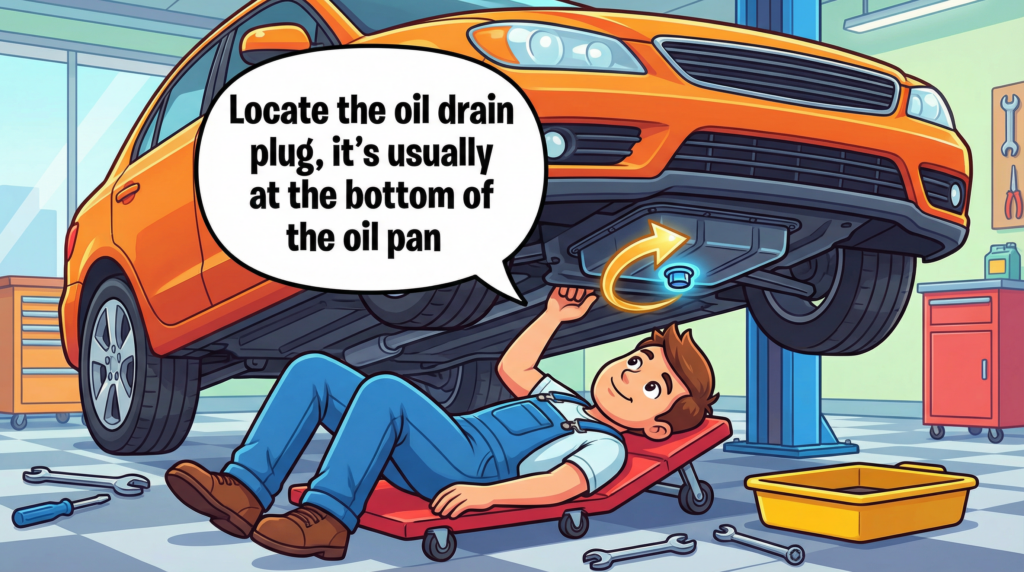
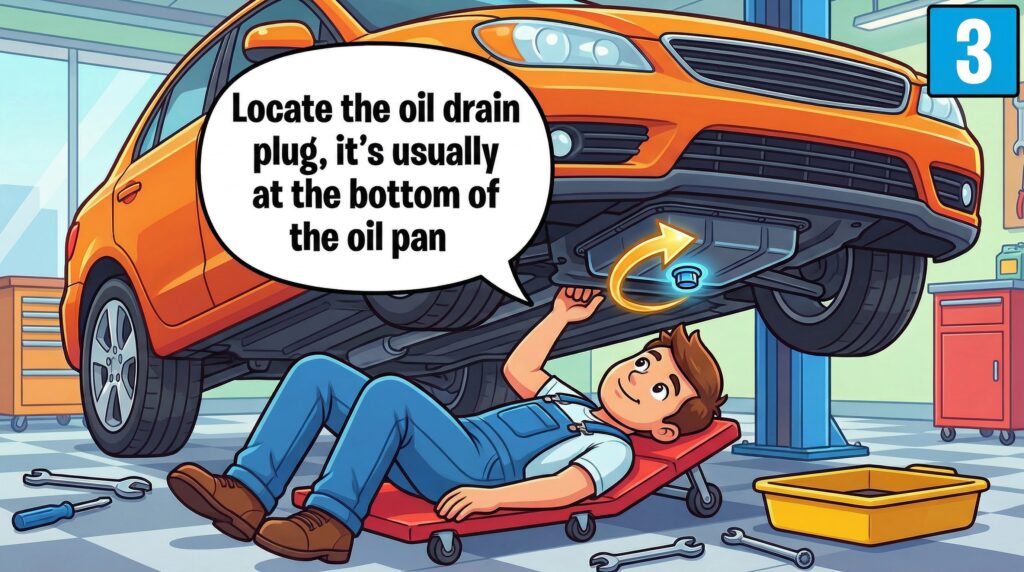
- Panel 3: “Locate the oil drain plug, it’s usually at the bottom of the oil pan”
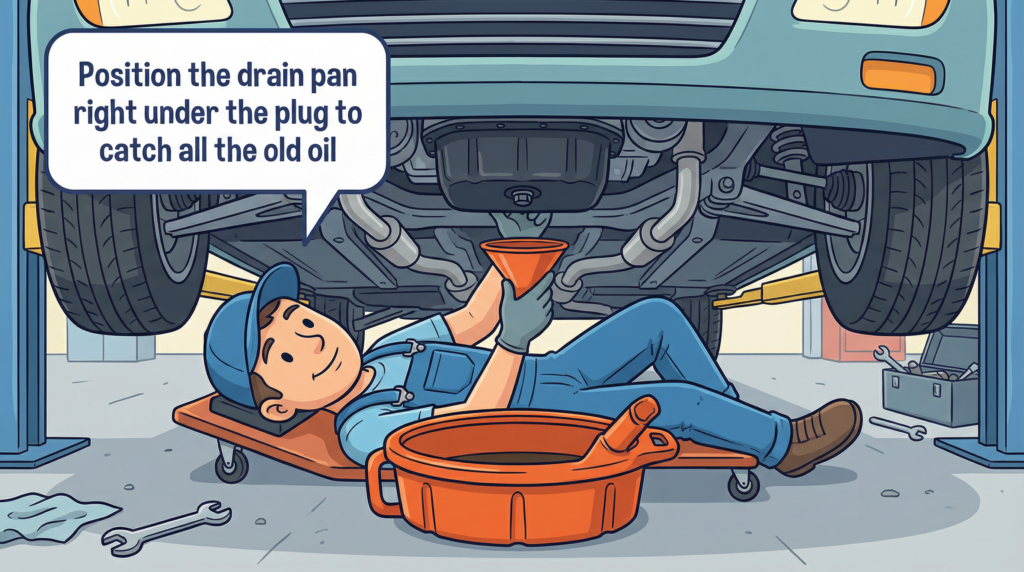
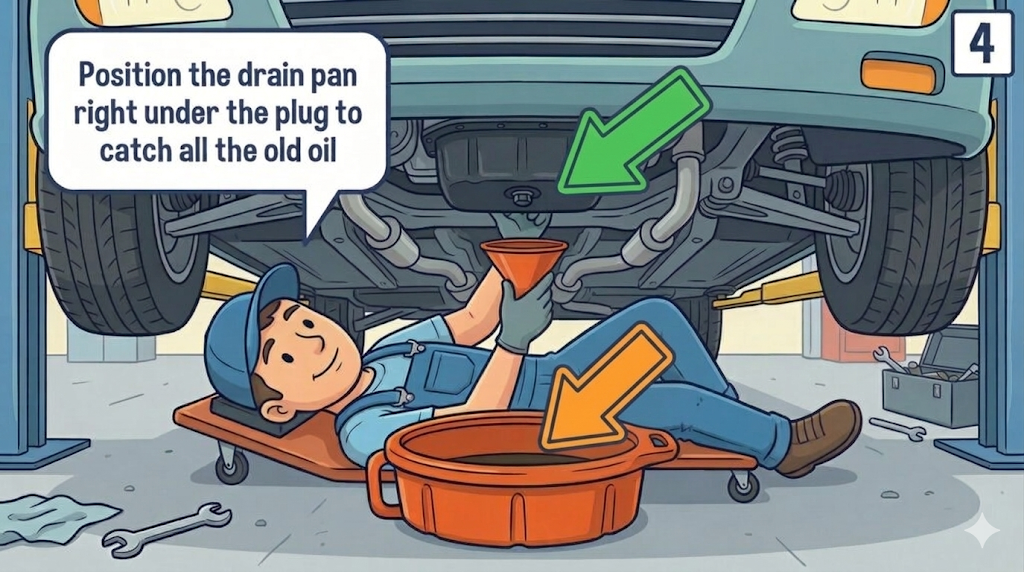
- Panel 4: “Position the drain pan right under the plug to catch all the old oil”
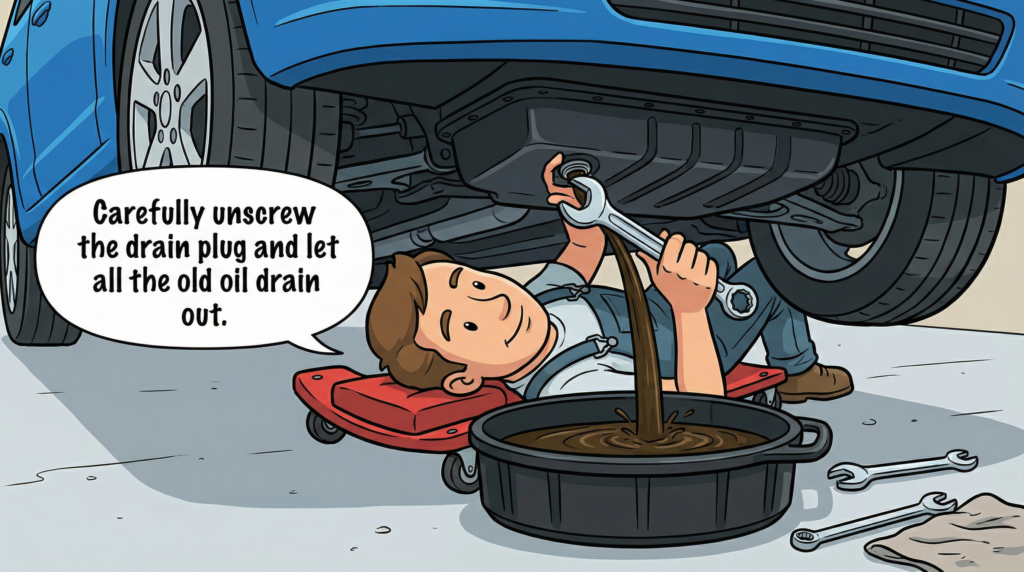
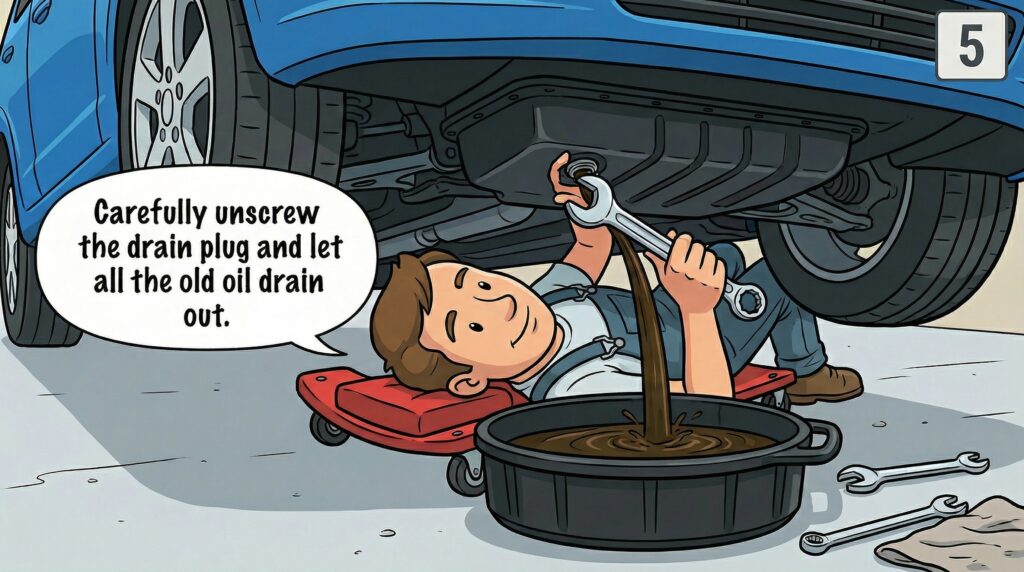
- Panel 5: “Carefully unscrew the drain plug and let all the old oil drain out
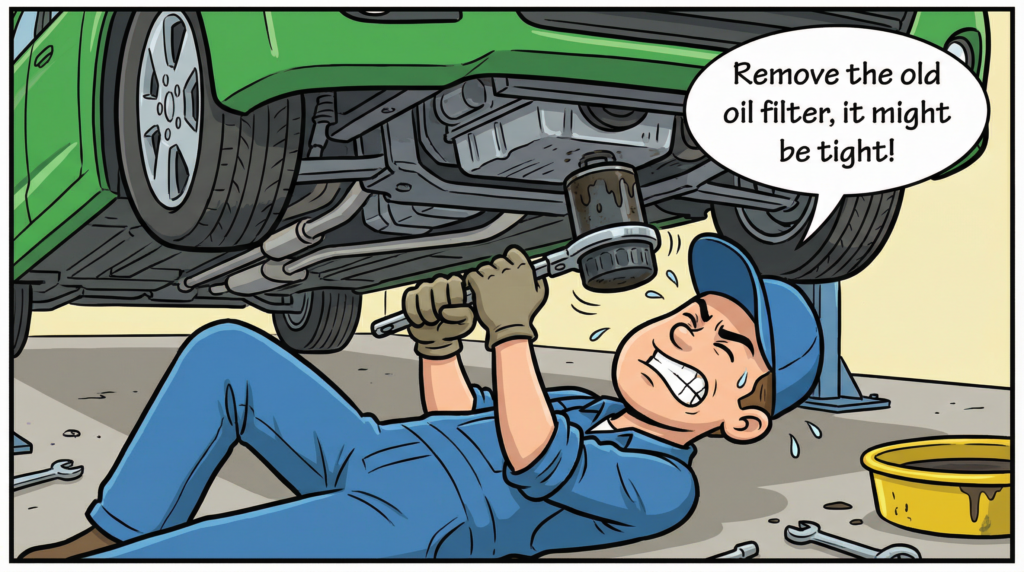
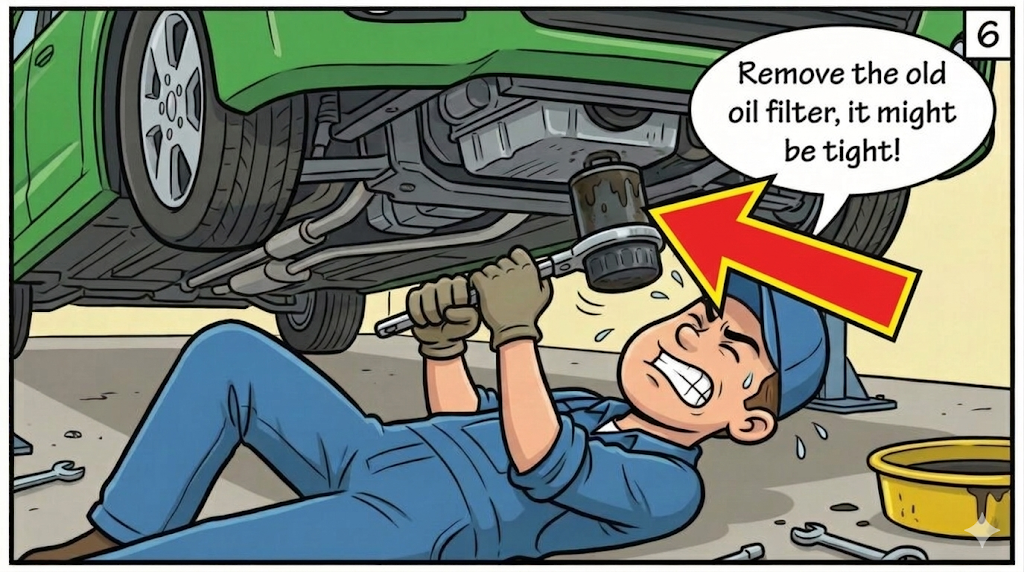
- Panel 6: “Remove the old oil filter, it might be tight!”
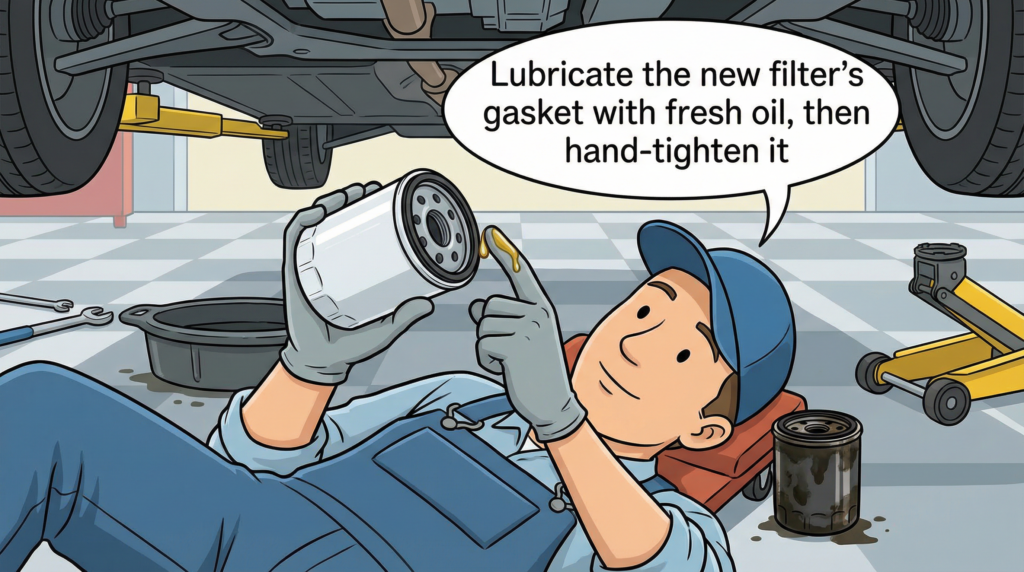
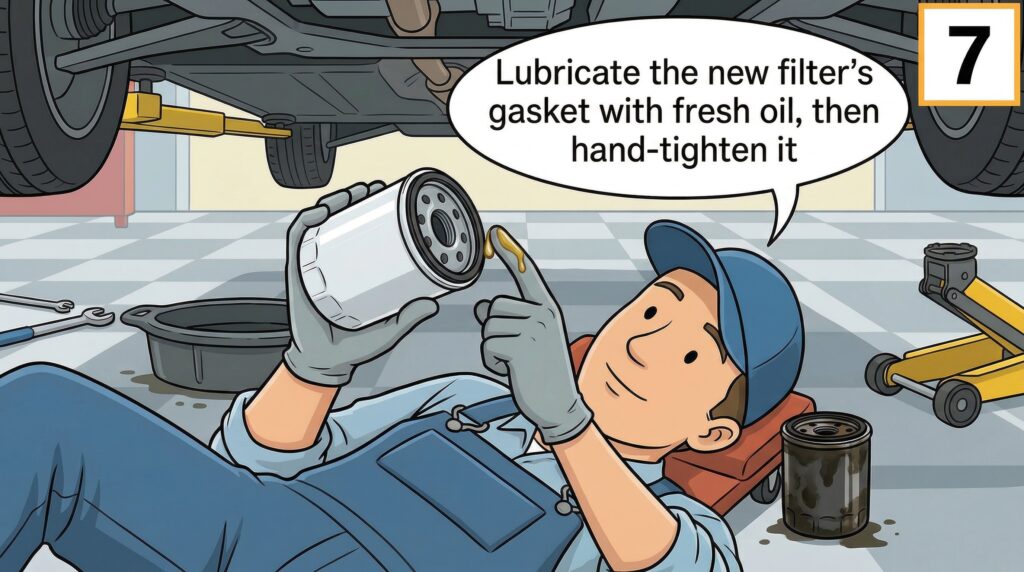
- Panel 7: “lubricate the new filter’s gasket with fresh oil, then hand-tighten it”
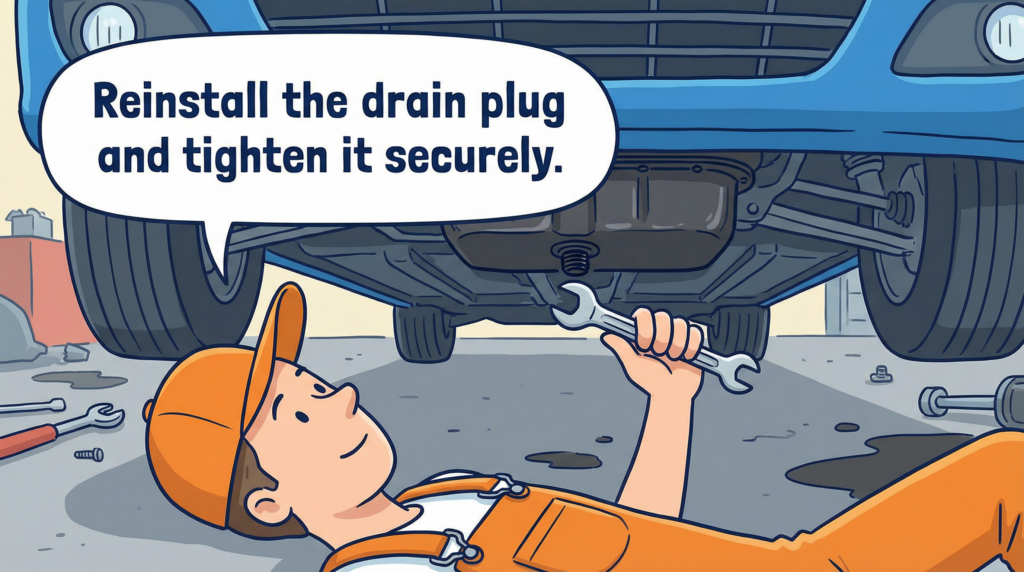
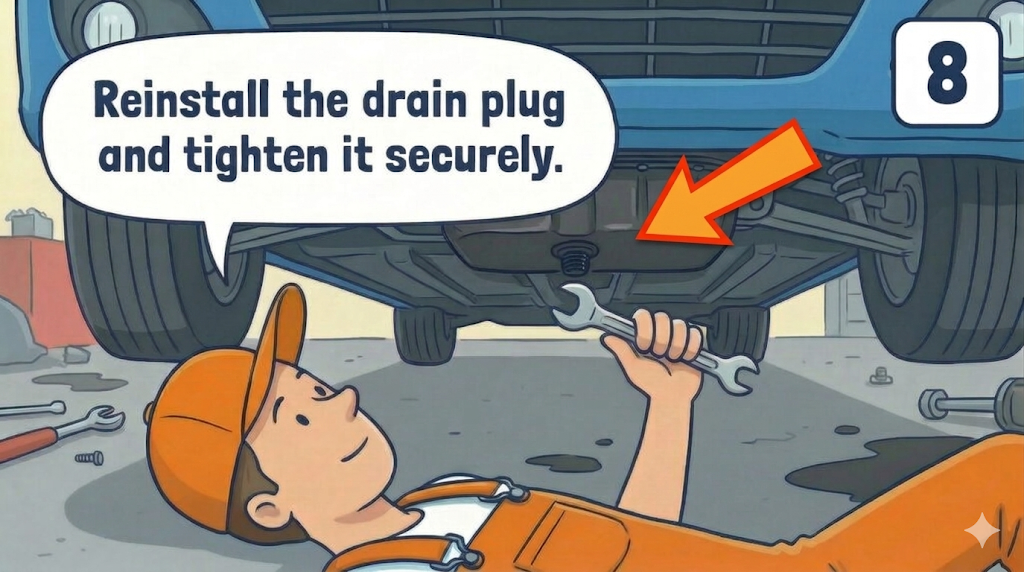
- Panel 8: “Reinstall the drain plug and tighten it securely.”
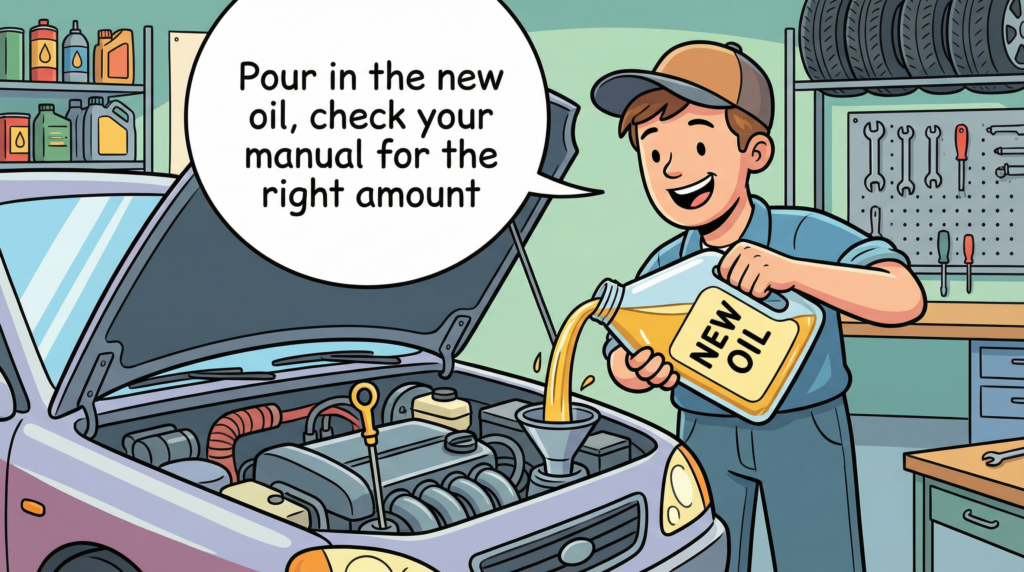
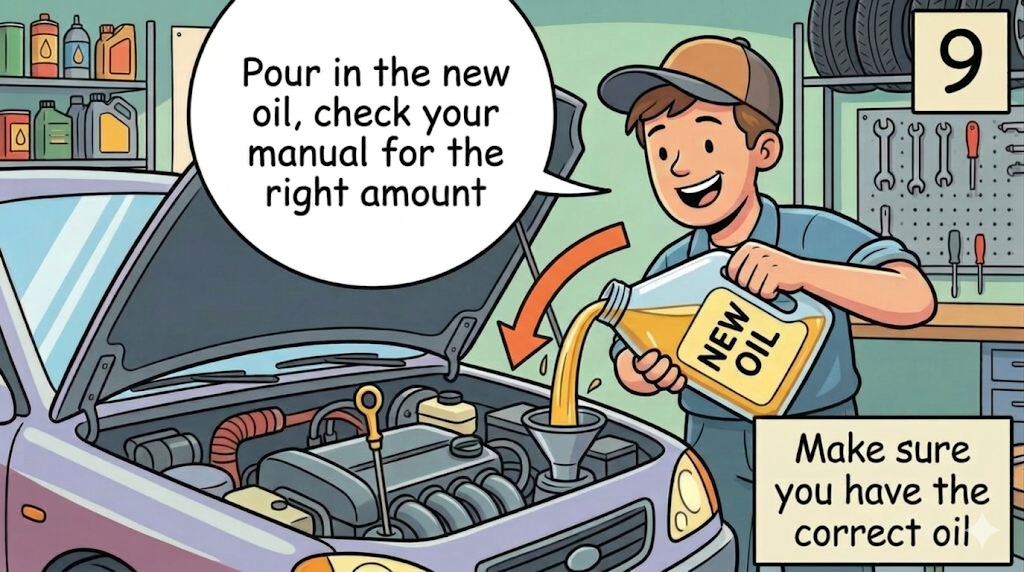
- Panel 9: “Pour in the new oil, check your manual for the right amount.”
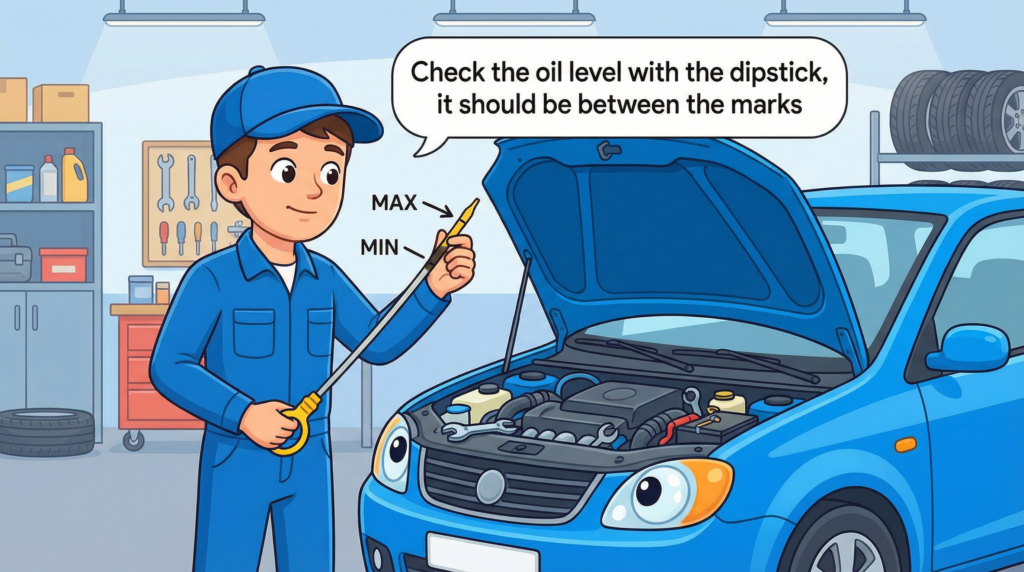
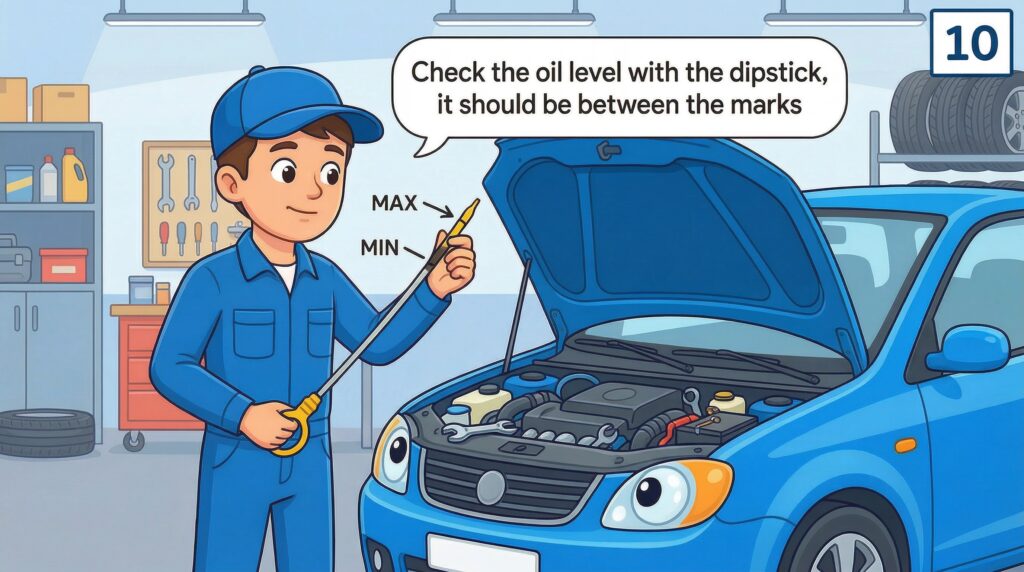
- Panel 10: “Check the oil level with the dipstick, it should be between the marks.”
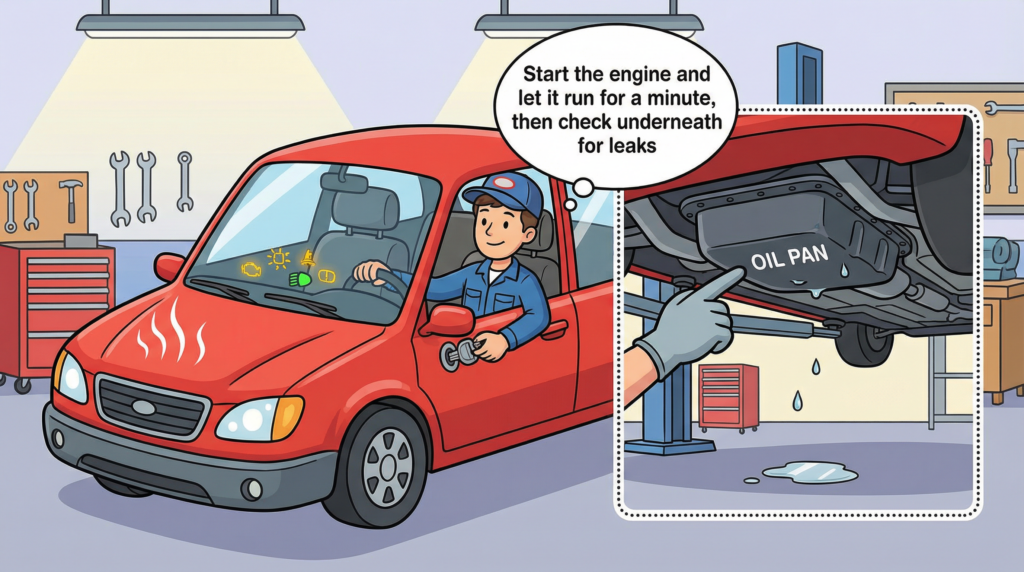
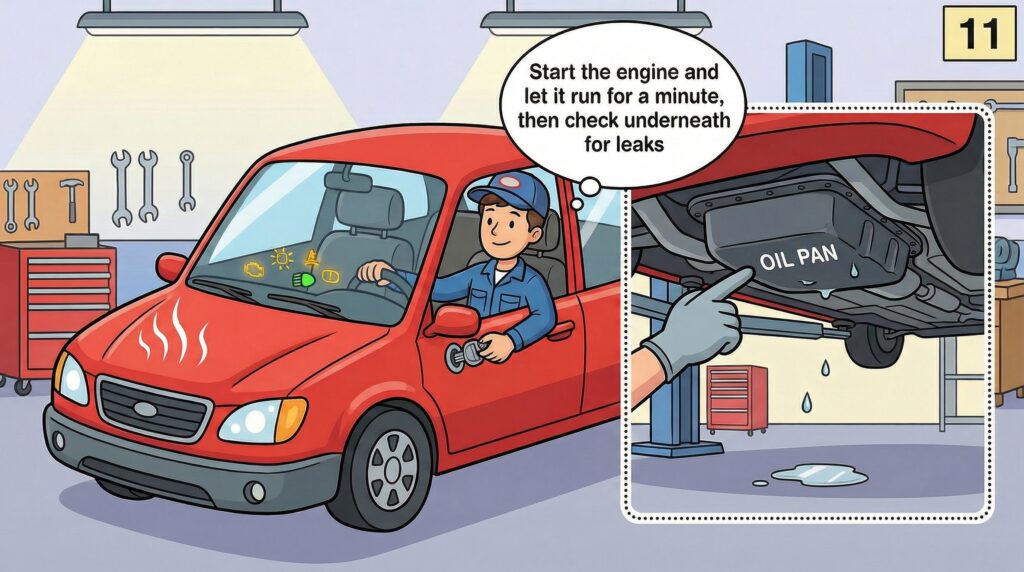
- Panel 11: “Start the engine and let it run for a minute, then check underneath for leaks.”
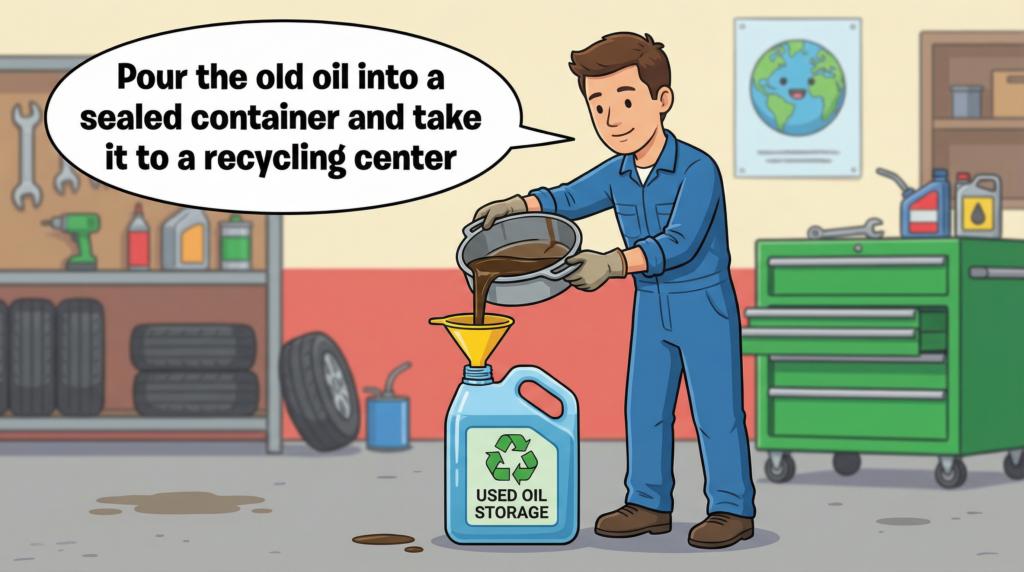
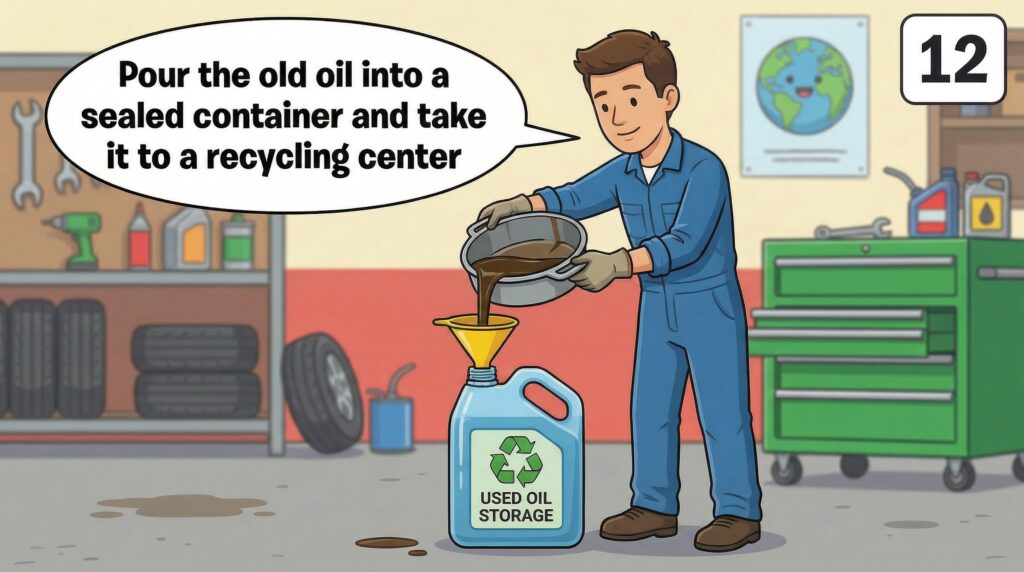
- Panel 12: “pour the old oil into a sealed container and take it to a recycling center”
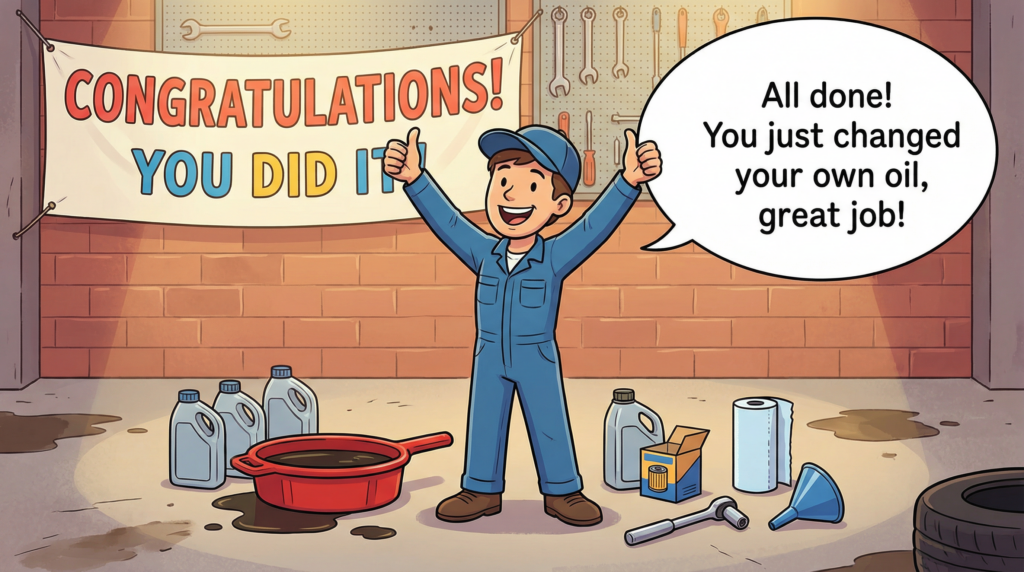
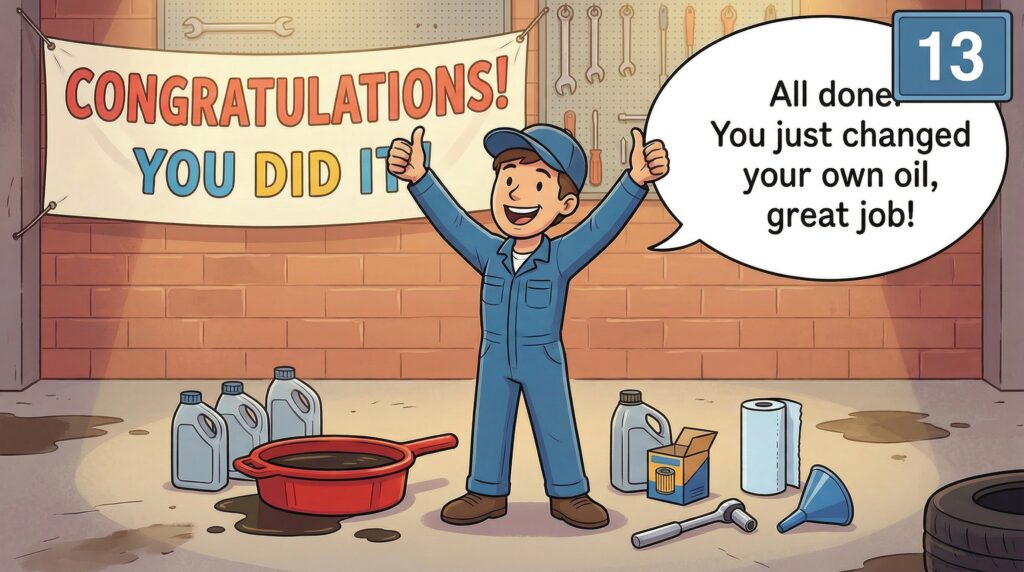
- Panel 13: “All done! You just changed your own oil, great job!”
THEORY APPLIED:
- Cognitive Theory of Multimedia Learning
- Coherence Principle
- This reduces the unnecessary details and only includes essential information to reduce the cognitive load
- This improves comprehension and reduces the chance of misunderstanding key steps
- Dual Coding Theory
- learning improves with words and visuals when they are simultaneously activated, increasing comprehension and retention
- Coherence Principle
- Cognitive Load Theory
- reduces unnecessary mental effort by breaking down tasks into smaller steps.
- load is minimized by using simple but effective visuals and minimal text
- Universal Design for Learning (UDL)
- Using clear visuals, short text, and a friendly tone can support learners with different literacy levels or learning preferences.
- Step by step can help readers follow along while performing the task
Prototype:
Improvements:
After reading and understanding my feedback, I’ve implemented some improvements. Some of the improvements I added was:
- Numbering Pages
- Adding safety messages
- Including arrows
- Including important steps
All of these improvements were done to make it easier to read and understand, while reducing the cognitive load. One dilemma I had while creating the final copy was to reduce the number of words in the speech bubbles. But I decided not to do so because by removing words, it would make the instructions unclear, and in the end, the reader could feel confused about certain steps. All the steps are mandatory, hence why some text bubbles have a little more writing.
Overall, the feedback from the peer review was very helpful. The insights I gained were reflected in my updated and final version.
Updated and Final Comic:
AI Generated Picture References:
All prompts using: pagepop.ai (2026)
Panel 1: a cartoon style person standing infront of a table preparing for a oil change, add a comment bubble “First gather all your tools and oil” make the background a mechanic shop
Panel 2: next panel is safety first, and jack stands, create a car on jack stands in a mechanic shop with a person setting up the car and having a speech bubble “Safety first! Make sure the car is on jack stands and the engine is cool.”
Panel 3: next panel, a person underneath the car by the oil pan with the oil plug highlighted, make the character have a speech bubble “Locate the oil drain plug, it’s usually at the bottom of the oil pan”
Panel 4: next panel, shows the character underneath the car with an oil catch pan with a speech bubble “Position the drain pan right under the plug to catch all the old oil”
Panel 5: next panel, shows the character unscrewing the drain plug and oil going into the oil drain pan with a speech bubble “Carefully unscrew the drain plug and let all the old oil drain out
Panel 6: next panel, show the character unscrewing the old oil filter with a speech bubble “Remove the old oil filter, it might be tight!”
Panel 7: next panel, character lubricating the new oil filter with previous oil, create a speech bubble “lubricate the new filter’s gasket with fresh oil, then hand-tighten it”
Panel 8: next panel, show them reinstalling the drain plug from underneath the car, make a speech bubble “Reinstall the drain plug and tighten it securely.”
Panel 9: next panel, the person pouring new oil into the engine with a speech bubble “Pour in the new oil, check your manual for the right amount.”
Panel 10: next panel, person checking the oil level after filling with dip stick, speech bubble “Check the oil level with the dipstick, it should be between the marks.”
Panel 11: next panel, starting the car from the inside so we can see if there is anything leaking underneath, comment bubble “Start the engine and let it run for a minute, then check underneath for leaks.”
Panel 12: next panel, shows person pouring old oil into can so they can return it, speech bubble “pour the old oil into a sealed container and take it to a recycling center”
Panel 13: next panel, have a congratulation sign in the back with oil and tools on the floor, speech bubble “All done! You just changed your own oil, great job!”